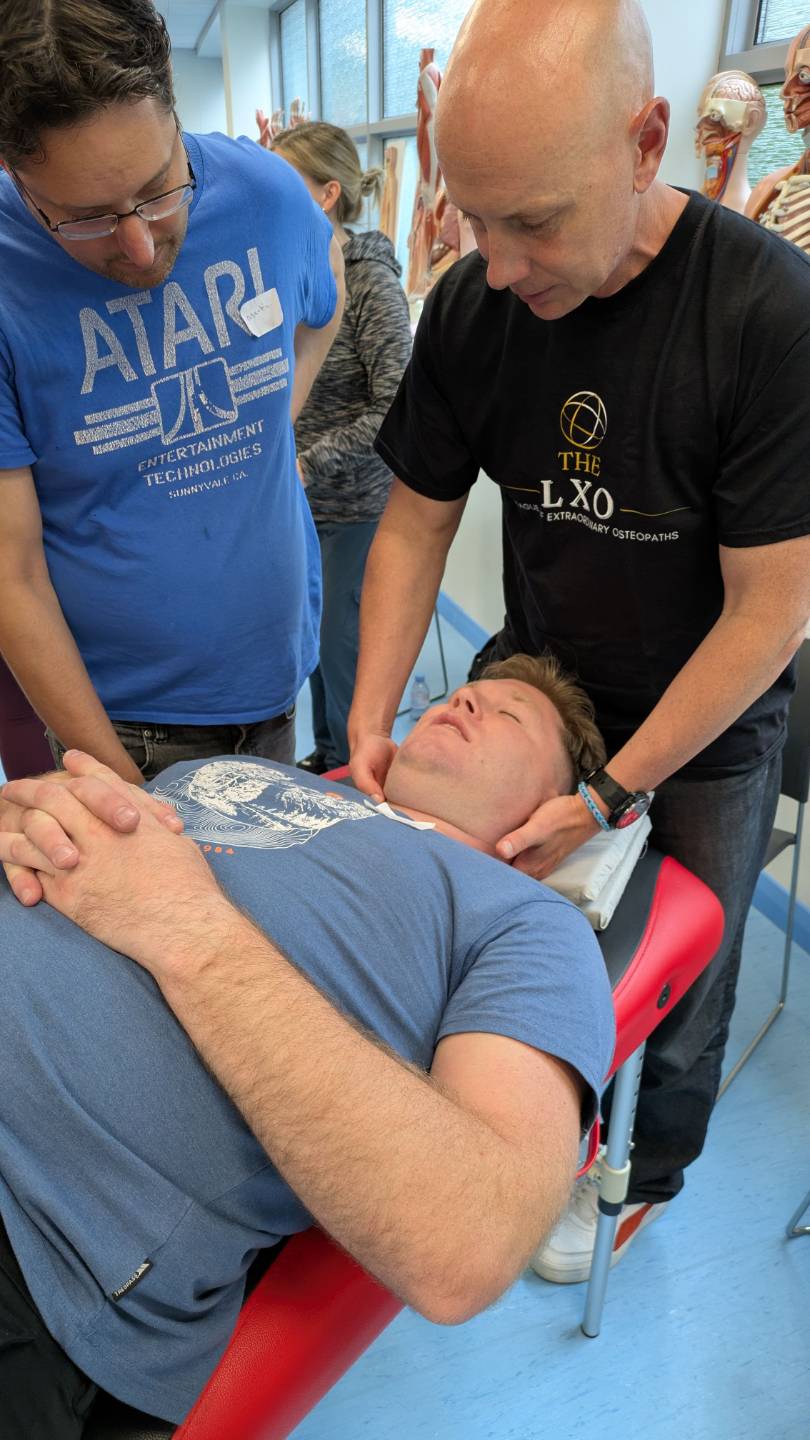
Do ERS and FRS still feel confusing in practice?
You've learned the terminology. You understand the basic principles. But translating ERS and FRS from theory into what you see, feel and do with a patient isn't always straightforward.
Spine in Motion explores the mechanics of ERS and FRS in the lower cervical spine and brings them into practical osteopathic assessment, palpation and technique.
Moving beyond the terminology
ERS and FRS can easily become a set of definitions and movement rules to remember. But knowing the terminology is not the same as being able to recognise and interpret what is happening when you examine a patient.
Spine in Motion takes those concepts into the lower cervical spine, exploring the anatomy and mechanics before moving into assessment, palpation and practical osteopathic technique.
What You’ll Learn
By the end of this mini online course, you will be able to:
- Explain ERS and FRS mechanics and how they relate to physiological movement in the lower cervical spine
- Apply relevant cervical anatomy to your understanding of lower cervical mechanics
- Assess opening and closing through the cervical facet joints using both skeletal models and a patient
- Examine and differentiate ERS and FRS patterns in the lower cervical spine
- Apply a range of osteopathic techniques for different ERS and FRS presentations
- Bring assessment and technique together within a practical osteopathic treatment sequence
Explore the Course
18 focused lessons taking you from the underlying mechanics through to assessment and practical application.
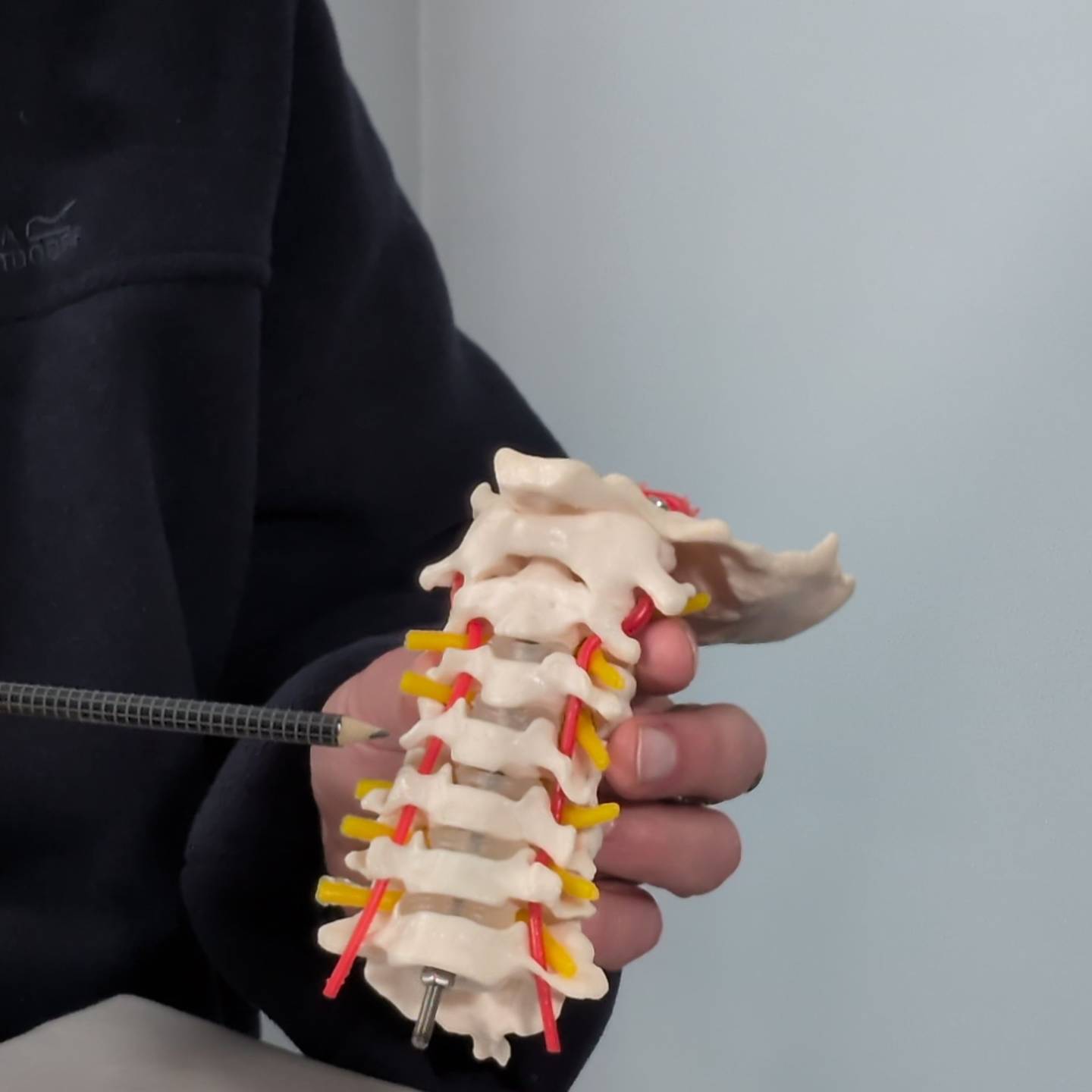
1. Foundations: Understanding ERS and FRS
Build the underpinning knowledge before moving into examination and technique.
- Introduction
- Physiological movements of the spine
- ERS and FRS explained
- Cervical spine anatomy refresher
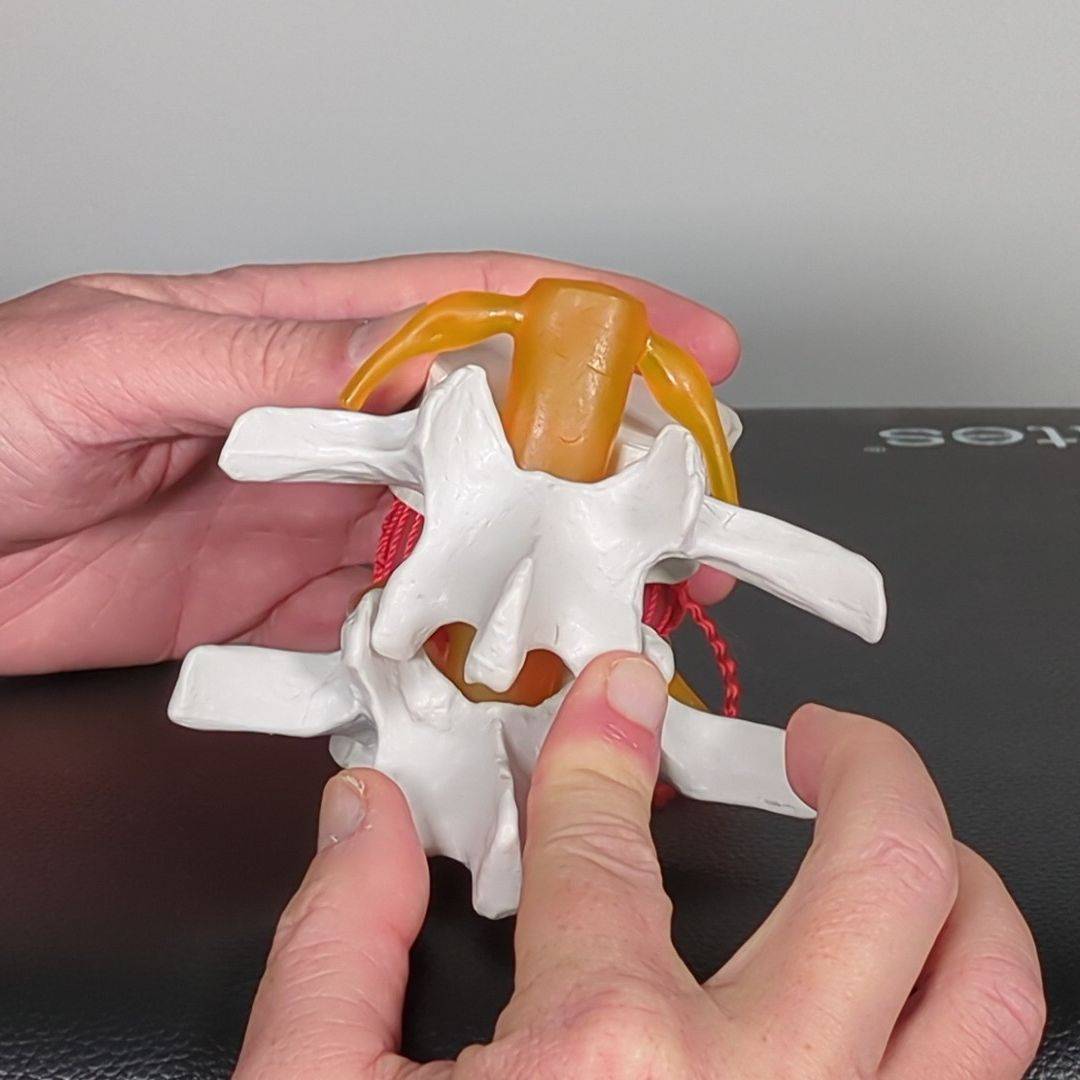
2. Assessment and Interpretation
Explore how the mechanical concepts translate into examining the lower cervical spine, first using the skeleton and then with a patient.
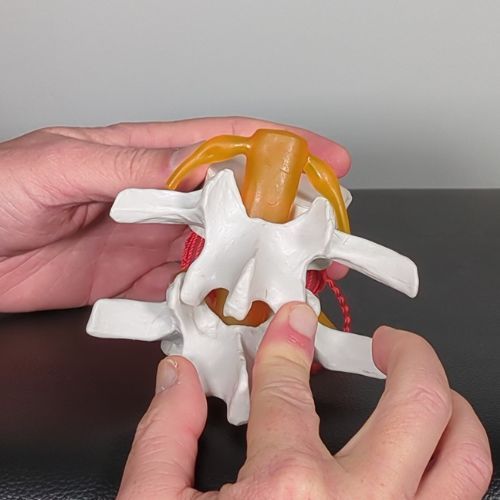
- Assessing opening and closing of the cervical facets using a skeletal model
- Assessing opening and closing with a patient
- Assessing for ERS and FRS patterns using a skeletal model
- Assessing for ERS and FRS patterns with a patient
- Bringing the findings together to identify the pattern
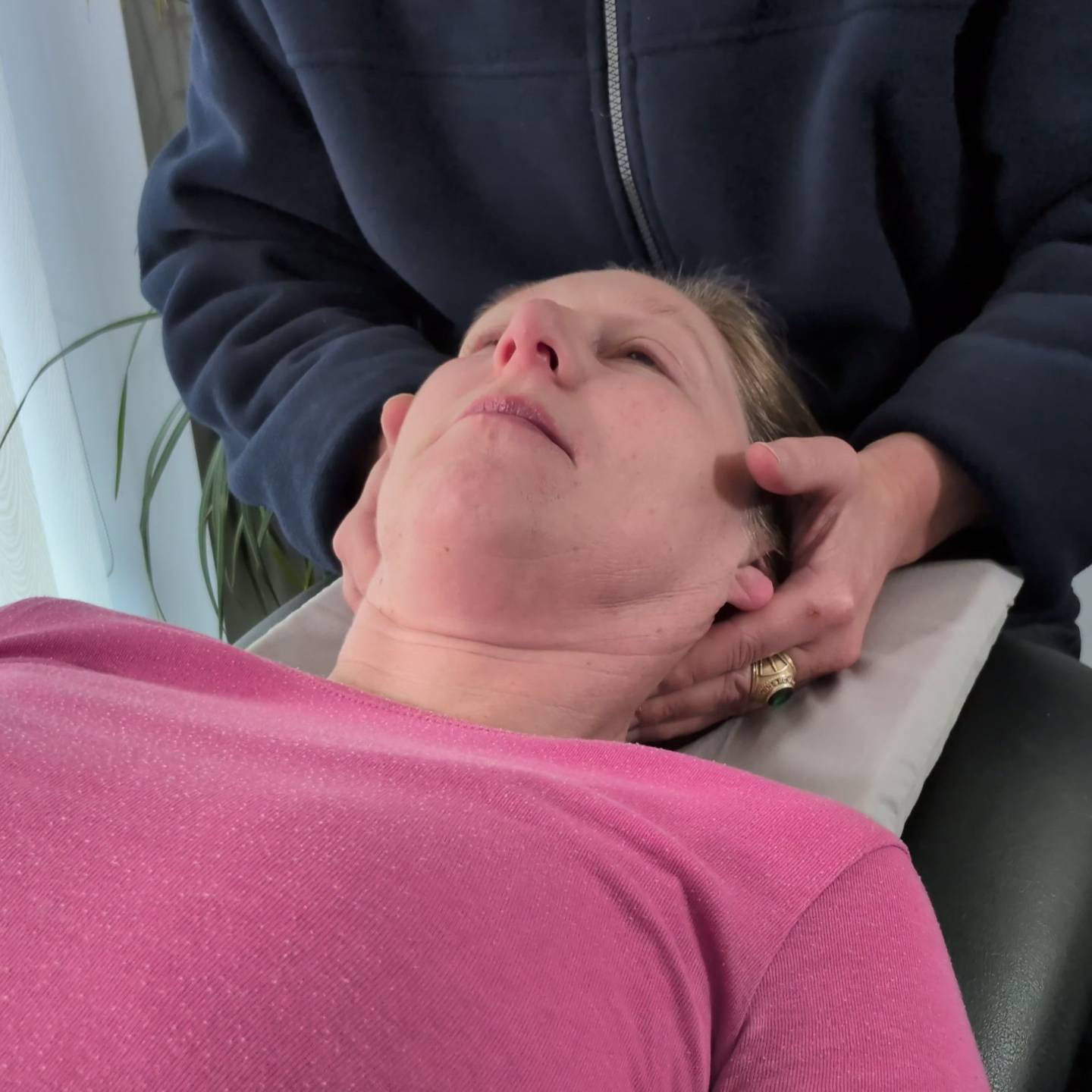
3. Technique and Treatment
See how the findings can inform practical osteopathic technique, with demonstrations across different lower cervical levels and presentations.
- ERS and FRS technique demonstrations across different lower cervical levels
- Supine and seated approaches
- Consideration of the uncovertebral joints (joints of Luschka)
- An osteopathic treatment sequence bringing the teaching together
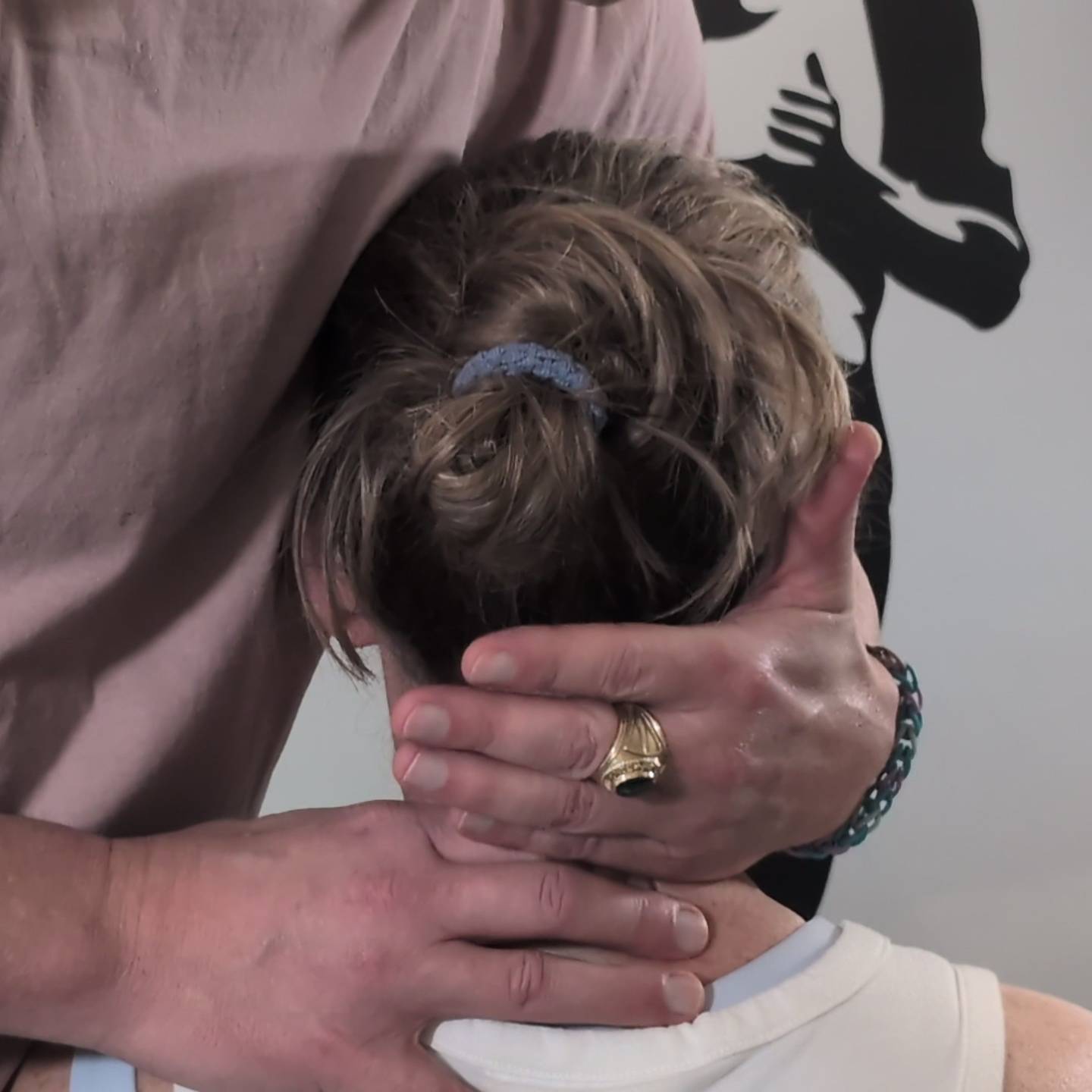
4. Course Assessment
Consolidate what you've learned through the course assessment.
- Course assessment
- Certificate of achievement on successful completion of the assessment

"Just finished the 'Spine in Motion: How to Assess and Treat the Lower Cervical Spine - An ERS/FRS approach' course. Very clear and a good repetition of the whole cervical area to diagnose and treat.
The course combines theoretical knowledge of biomechanics with what our hands feel during placement and testing. This allows for more precise and effective treatment. The knowledge can be immediately put into practice and is highly recommended for everyone."
Sebastian Soika | Osteopath | Austria | LXO Member
Is Spine in Motion for you?
This course is designed for qualified osteopaths who want to develop a clearer practical understanding of ERS and FRS in the lower cervical spine.
It may be particularly useful if you:
- understand ERS and FRS in theory but find them less clear when examining a patient
- want to relate cervical mechanics more closely to what you see and feel through examination and palpation
- want to revisit the anatomy and mechanics underlying your assessment
- want practical examples of how examination findings can inform your choice and application of osteopathic technique
- would value a focused refresher that you can work through at your own pace
You don't need to use ERS and FRS terminology routinely in your practice. The course is about understanding the mechanics behind the terminology and exploring how that understanding can inform what you do with a patient.
About Your Teacher
Jamie Archer
Registered Osteopath | BOst (Distinction) | PGCert Applied Clinical Anatomy
Jamie Archer is an osteopath, educator and co-founder of The LXO with more than 20 years' experience in clinical practice and osteopathic education.
His teaching brings together osteopathic principles, clinical anatomy, palpation, clinical reasoning and practical technical skill, helping osteopaths understand not only how to perform a technique but why, when and how it might be applied.
Jamie has taught osteopaths in the UK and internationally and has held roles in undergraduate osteopathic education including Clinical and Professional Osteopathic Lead and Senior Clinic Tutor at the College of Osteopaths. He continues to work in clinical practice alongside his teaching.
Through The LXO, Jamie's focus is on helping qualified osteopaths continue developing the way they think, examine, feel and work with their hands in clinical practice.